


Florin Stancu, a 28-year-old, once said that life can often be compared to a game of tennis when he first helped organize the charitable tournament “Tennis for Good Deeds” a few years ago. Being a child raised in a foster care center himself, Florin believes that young people like him just need a little help and encouragement. The competition took place from September 22-24 and gathered around 100 participants, amateurs, volunteers, as well as artists and athletes.
Each ball represented a new chance for young people who reach adulthood and remain on their own after leaving the foster care system. All the money raised by The Social Incubator Association from the registration fee of the fourth edition was dedicated to them. The registration fee for the singles event was 500 lei, and for the doubles event, it was 900 lei.
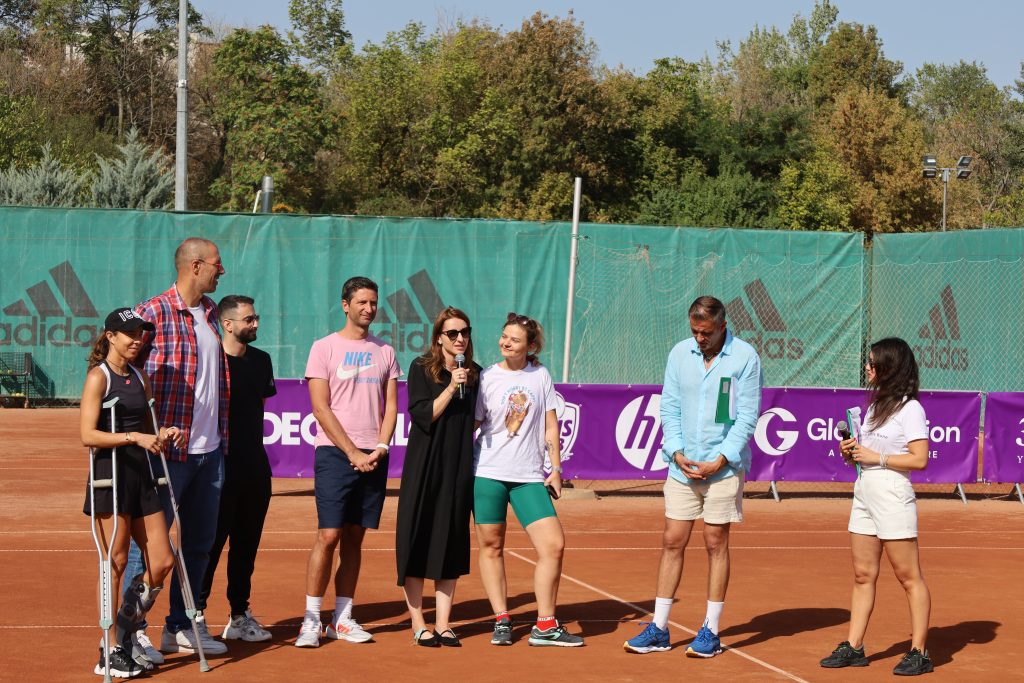
On Saturday, September 23, the official opening took place, followed by a doubles exhibition match between singers Sore and Cornel Ilie and tennis player Raluca Olaru and actor Anghel Damian.
The Challenges Faced by Those Leaving the System: Lack of Education and Employment
“It is important to make society and the world aware that young people from foster care centers deserve a normal future. Actually, most of the time, we have everything we need, we just need a little encouragement,” says Florin Stancu.
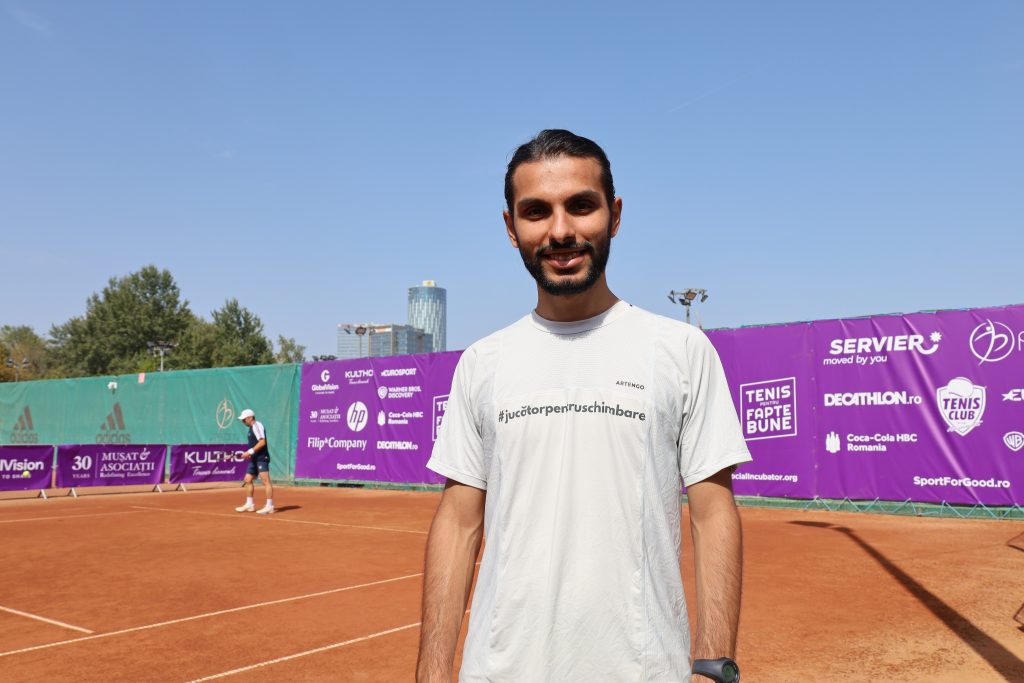
At the age of 28, Florin has been part of The Social Incubator Association since its establishment in 2014. At that time, he reached adulthood and had to take control of his life. Initially, he lived in a social apartment in Sector 1 and has since managed to move to a rented place, another step towards independence.
This weekend, he helped with the successful organization of the tennis tournament, a sport he has been practicing since joining the association. He is one of the young people for whom others played tennis at this tournament.
Florin Stancu says that the organization has provided him with the necessary tools to cope and confidence to overcome the challenges faced by a young person leaving the system: vocational and psychological counseling, assistance in finding paid jobs, financial education, and teamwork skills.
A 2020 study on the situation of young people leaving the protection system in Romania, conducted by the Sociometrics Association and SOS Children’s Villages Romania, identifies two main problems they encounter, closely related to each other: low levels of education and lack of employment. The NGOs analyzed the situation of young people who left the foster care system between 2014 and 2017.
65.9% of young people did not have a job when their protection measure endedSociometrics Association and SOS Children’s Villages
Furthermore, less than 20% worked full-time.
Regarding education, only 24% of the children who left the system had completed at most 8 years of schooling, and only 6.1% had completed higher education.
The research also proposes several measures to facilitate the integration process of these young people into society: internships to familiarize themselves with the workforce, civic involvement activities or helping others in difficulty, organizing events targeting both the general public and employers to draw attention to the potential of these young people.
Over 38,000 Children Are in the Protection System in Romania
Sport can benefit anyone, whether we’re talking about typical individuals, people with special needs, or children from foster care centers or disadvantaged backgrounds, according to double world fencing champion Ana-Maria Brânză. This weekend, she set aside fencing for tennis.
“Sport is really for everyone. It is up to each of us how we manage to create programs, get involved, and allocate some of our time to give them a chance,” she said during the event.
Today, there are over 38,000 children in the protection system in Romania. Almost 1,600 of them still live in 58 foster care centers that are planned to be closed by the end of the year, according to Libertatea. Approximately 7,000 live in residential houses or apartments.
One-third of young people in the system are under other forms of protection, such as extended family, emergency reception centers, or are preparing to leave the system. This is where the challenge lies because they have to face adult life on their own once they turn 18 and are required to leave the system, whether it be a foster care center or a family-type home. According to The Social Incubator Association, 3,500 young people find themselves in this situation every year.



Sports, a Social Bond
This weekend was all about competition. However,

