

Greece’s Scandalous Military Aid: Sending ‘Useless’ Sea Sparrow Missiles to Ukraine
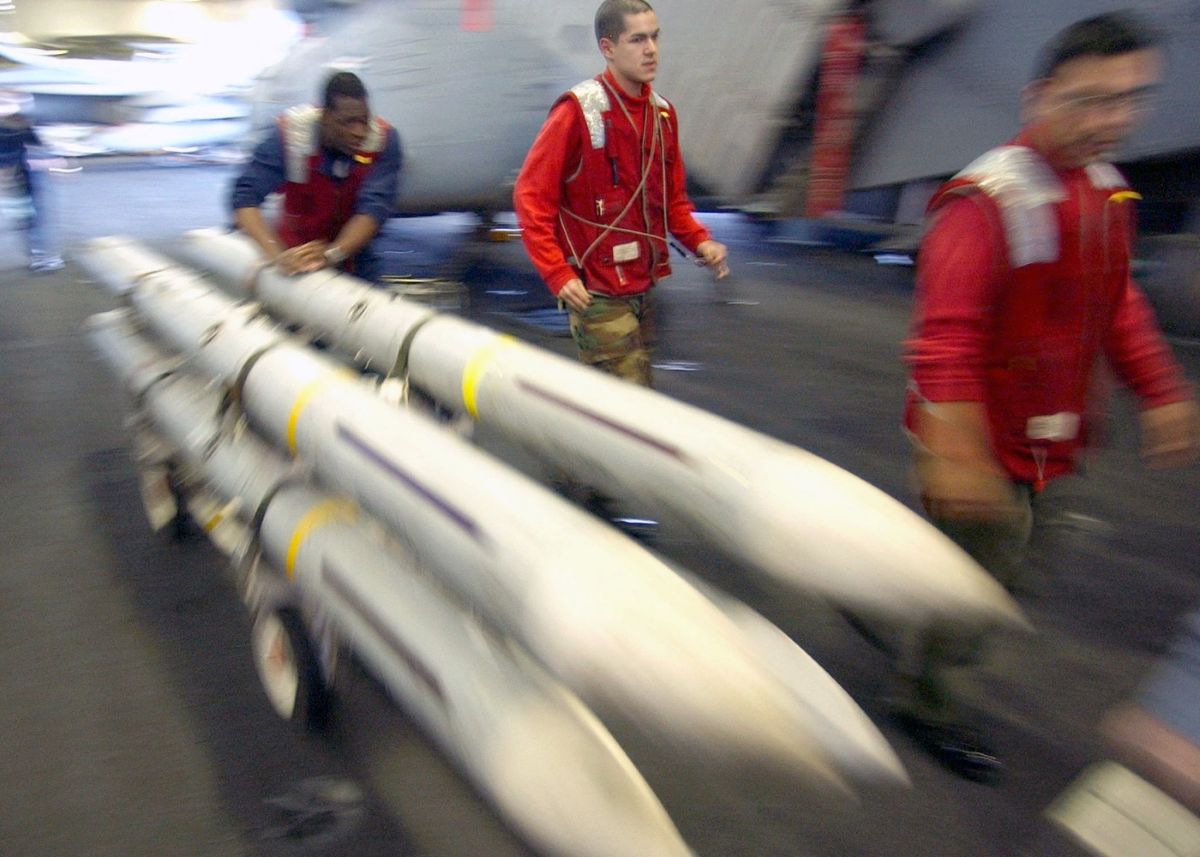
Recent developments in the Eastern European conflict have taken a scandalous turn as Greece has agreed to supply Ukraine with 24 Sea Sparrow missiles. This decision, reported by the Greek newspaper Kathimerini, raises eyebrows not just for its strategic implications, but for the questionable value of the armament being delivered.
The Controversial Sea Sparrow Missile: A Symbol of Ineffective Aid?
These missiles, taken from Greece’s naval and air stockpiles, are considered ineffective for operational use by the Greek military standards. The Sea Sparrow, an American short-range air defense missile, had once been regarded as a robust system. However, the Greek authorities have deemed them obsolete for their own defense capabilities.
- Origin: Manufactured in the United States, initially designed for naval defense.
- Current Ownership: Ukraine already possesses the necessary launchers to deploy these missiles.
- Operational Reality: The Greek military’s classification of these missiles casts doubt on their utility on the frontline.
Despite the apparent ineffectiveness of the Sea Sparrow missiles, Greek officials assure that the country’s defense capabilities in the Aegean Sea will not be compromised by this military aid. But is this claim merely a smoke screen to obscure harsher realities?
Greek Prime Minister’s Assurance: No Compromise on Defense
Prime Minister Kyriakos Mitsotakis has emphatically assured Ukraine of Greece’s unwavering support. This missile transfer is part of a larger military assistance package that includes artillery shells, firearms, and ammunition. However, this reliance on outdated systems raises significant questions about the true nature of military alliances in this critical period.
A Request for Advanced Systems: Why Not?
While Athens displays a continuous commitment to supporting Ukraine, it has firmly declined repeated requests from its allies for advanced weaponry such as S-300 and Patriot missile systems. The official reasoning highlights security concerns and a lack of reliable replacement options for their own military operations.
- Reasons for Declining: Security concerns and the absence of operationally viable alternatives.
- Implications: This refusal to supply advanced weaponry could reflect a cautious approach towards military engagements.
- Perception: Allies may interpret this stance as a lack of commitment to a unified defense strategy.
Is Greece’s Military Aid Just for Show?
The current military aid initiative prompts a discussion about the effectiveness and sincerity of Greece’s assistance to Ukraine. Are these gestures merely token support, or do they serve a greater strategic purpose? As the conflict between Ukraine and Russia continues to escalate, the aid provided by Greece—and its real utility—will undoubtedly be scrutinized.
Cultural References and National Pride
The Greek narrative of resilience and support is longstanding, deeply rooted in history. The current government’s stance might evoke sentiments of national pride among citizens, framing the aid as a moral obligation. Yet, the very nature of the military hardware being dispatched complicates this narrative. It leads to a perception that Greece is promoting a facade of assistance whereas the reality may be rather simplistic.
This perception parallels historical instances where countries have sent outdated military equipment abroad to avoid the expense of disposal. Such actions can be seen as “throwing scraps,” a term that evokes the image of powerful nations assisting weaker ones not from generosity, but rather from a desire to rid themselves of liabilities.
The Broader Context of European Military Aid
Greece’s military support to Ukraine is part of a growing trend among European nations, but it raises profound questions about strategic alliances in tumultuous times. As the EU’s project for a common defense sharpens and intensifies, how reliable are these alliances when they hinge on subpar resources?
Further complicating matters is the ongoing discourse around military funding. Are nations like Greece prioritizing their own national security above collective defense obligations? The uneasy truth might be that these defensive measures are not just about assisting other nations but about safeguarding their own precarious positions.
Conclusion: A Call for Change and Reflection
In conclusion, while Greece’s decision to send 24 Sea Sparrow missiles to Ukraine has been framed as a supportive act, the implications are far more complex. The transition of outdated military hardware raises serious questions about effectiveness, strategic priorities, and the true motivations behind military aid. As the conflict continues and alliances are tested, it is crucial for Greece—and other nations—to reflect upon the quality and impact of the aid they provide.
Greece’s ongoing support for Ukraine is commendable, but the depth of that support should not be measured in mere numbers or outdated weaponry. The world is watching, and the need for genuine, effective assistance has never been greater.
As we scrutinize these developments, the call for transparency and efficacy in military aid becomes imperative, urging all nations to reassess the very foundations of their contributions to global peace and security.
TAGS: Grecia, Ucraina, Sea Sparrow, ajutor militar, sisteme avansate
“`
